If you’re in Moshi, Tanzania, craving a half-day adventure. It blends natural beauty with living culture, and the Materuni Waterfalls hike tops lists.
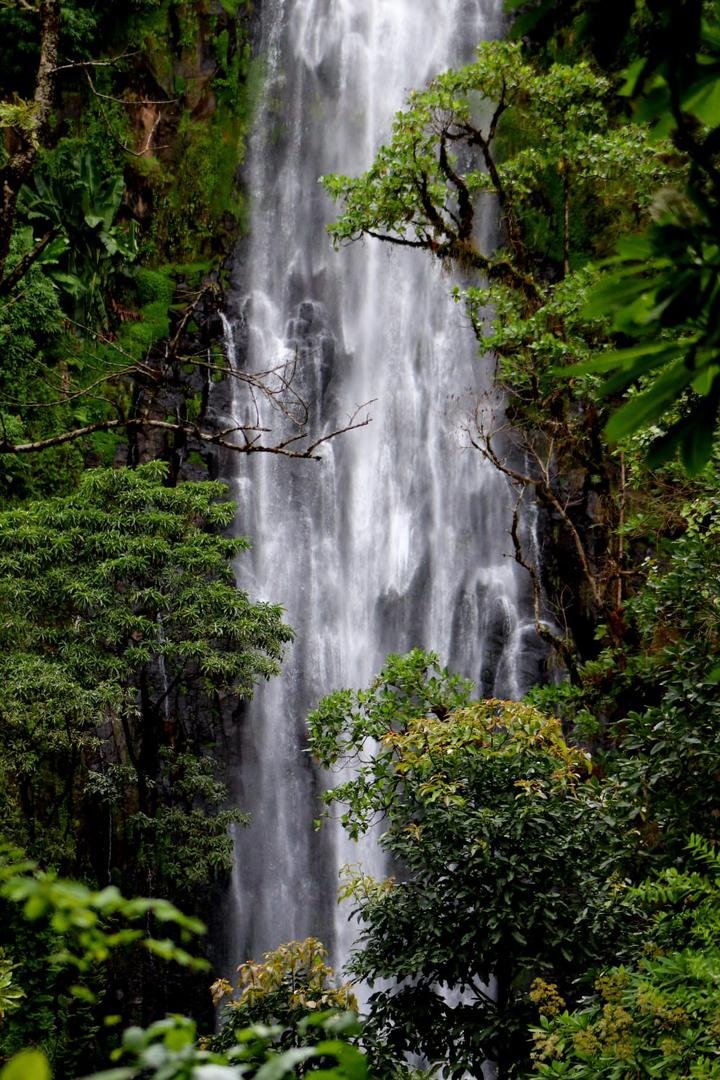
The cascade is spectacular. Additionally, it’s a sheer, 80-meter ribbon of water thundering into a fern-fringed plunge pool.
What truly makes this place special is the village that gives the waterfall its name. The family history stitched into that name adds depth.
The Hike: Kilimanjaro’s Green Backyard
The journey to Materuni starts with a bumpy drive from Moshi up into the fertile foothills of Mount Kilimanjaro. The rising elevation brings cooler air and lush green slopes, plus the unmistakable, sweet smell of ripening bananas. This is Chagga land.
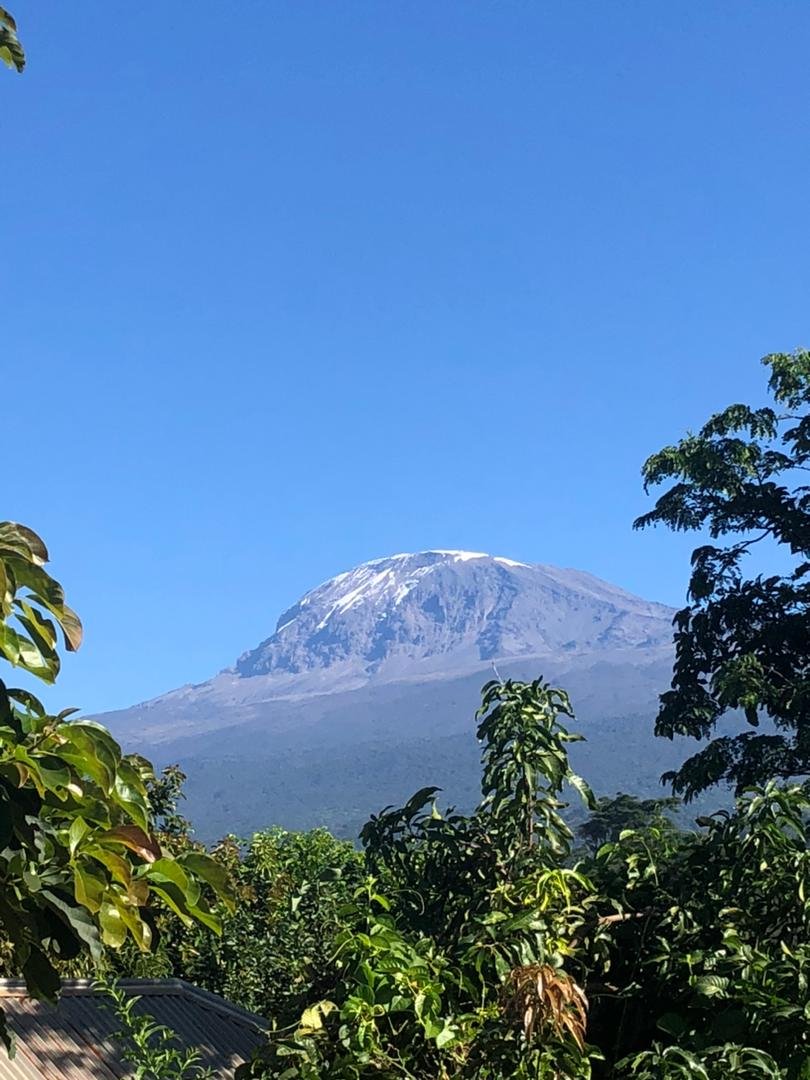
From Materuni village, a local guide leads you along a footpath that winds through dense coffee and banana farms. On a clear day, Kibo peak’s snow-dusted dome dominates the skyline behind you.
The two to three hour round trip is gentle, though parts are steep as you descend into the river valley. You’ll cross small streams, navigate muddy patches, and pause to taste the ruby-red coffee berries growing beside the trail.
Before you see the waterfall, you hear a deep roar. It grows from a chest rumble to a booming echo. And then, suddenly, the canopy breaks. There it is: white water against black volcanic rock, veiled in mist. Crashing into a pool cold enough to steal your breath, it invites you to wade in anyway.
The Name “Materuni”: A Clan At The Foot Hills
So, why is it called Materuni Waterfalls? The answer doesn’t lie in a mythical event or a physical description of the cascade itself. The waterfall simply carries the name of the village that has stood guard over it for generations: Materuni Village.
The name Materuni holds a far richer story. However, it is not about botany, but about people and lineage.
It comes from the Materu Clan, the dominant Chagga clan in that area. In the local language and naming traditions, adding the suffix ‘-ni’ to a root word denotes a place.
Thus, it literally translates to ‘the place of the Materu people’.
This is a profound distinction.
Moreover, the landscape—the hillside, farms, paths, and waterfall—was named for the family that settled and cared for land.
Additionally, the Materu clan’s identity is inseparable from the place itself.
Historically, long before tourism maps, it was simply the waterfall at Materuni, watched over by the Materu lineage.
When you hike this trail, you’re not walking through a generic “scenic area.” You are walking through a named, inherited, and lived-in ancestral place. The cascading water is one feature within the Materu homeland.
A Walk Through Living History
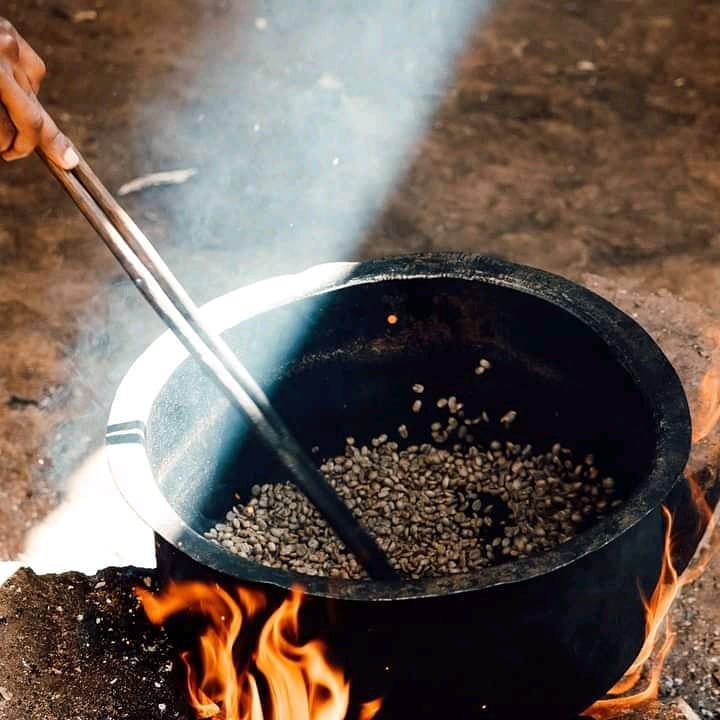
This clan connection changes the entire feel of the hike. The Chagga people you meet tending coffee trees or weaving baskets aren’t just “locals”; they are likely descendants of the very Materu lineage that put this village on the map. The traditional Chagga meal you might enjoy after the hike—perhaps machalari (a banana and meat stew) and some locally roasted coffee—is a taste of Materu hospitality that has been offered for centuries.
Standing in the cold mist at the base of the waterfall, it’s easy to feel awe only for the towering geology in front of you. But with the real story of the name in your mind, a deeper respect settles in. You’re standing in a place named for kin, not nature. The name “Materuni” is a family’s claim, a lineage’s address, and an invitation—accepted by every visitor—to stand, for a moment, in the place of the Materu.
What makes the Materuni Waterfalls hike in Moshi, Tanzania a top half-day adventure?
The hike blends natural beauty with living culture. You’ll see the 80-meter Materuni Waterfalls, walk through coffee and banana farms, and meet the warm Chagga people in village.
How long does the Materuni hike take and what’s the terrain like?
The round trip takes about two to three hours. The path is gentle for the most part but includes some steep sections as you descend into the river valley, with crossings of small streams and muddy patches.
What is the origin of the name Materuni and why is it special?
Materuni takes its name from Materuni Village, rooted in the Materu Clan. The suffix ‘-ni’ denotes a place, so Materuni means the place of the Materu people, making the waterfall part of a living ancestral homeland.
What might you experience on the hike beyond the waterfall itself?
You’ll travel through dense coffee and banana farms, possibly glimpse Kibo peak on a clear day, hear the roar of the waterfall, and enjoy a moment of cooling mist before entering a pool that invites a refreshing dip.
What cultural experiences accompany the Materuni visit?
You’ll meet Chagga people tending coffee trees and baskets, enjoy a traditional meal like machalari and locally roasted coffee, and walk through a landscape that is deeply tied to kinship and lineage rather than being just a generic scenic area.